
Introduction
Flight, Barr & Barr marks the point at which Worcester stopped behaving like a merely competent porcelain factory and started competing for prestige. Earlier Worcester had already earned a place in the story of English porcelain, but the Flights and the Barrs pushed the business toward royal notice, metropolitan visibility, stronger bodies, and more ambitious decoration. Their success did not rest on one improvement alone. They reshaped ownership, presentation, and product at the same time, and that combination explains why the best Flight, Barr & Barr wares still command serious attention.
From Worcester to Flight, Barr & Barr
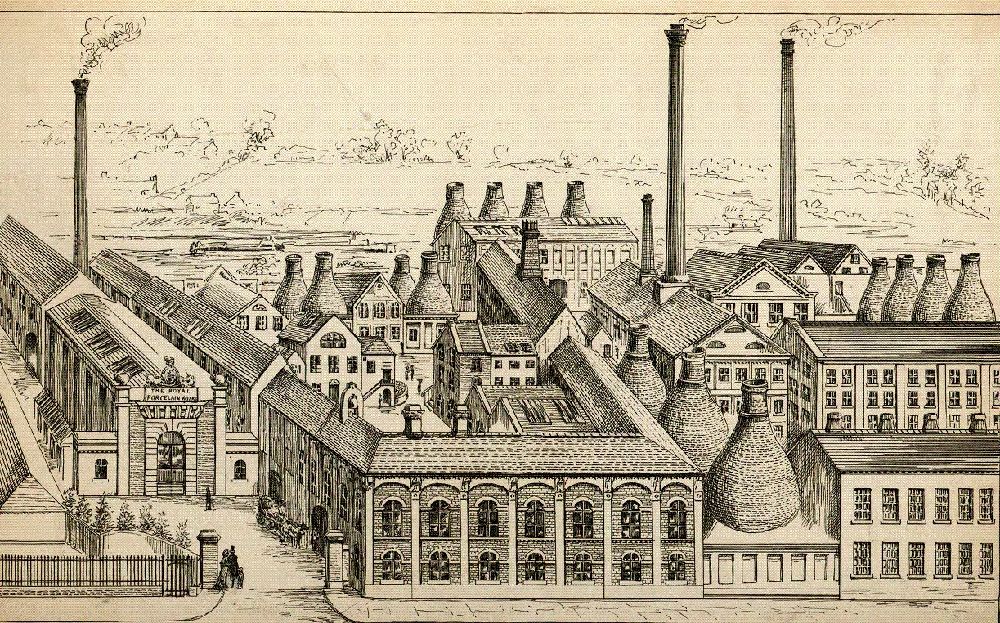
Thomas Flight acquired the Worcester factory in 1783 after years of selling Worcester porcelain in London. He did not buy a triumphant concern. He bought a factory that needed clearer direction and stronger commercial instincts. His son John Flight supplied much of that energy. John traveled in France, absorbed continental taste, and brought those lessons back to Worcester. Collectors can see the result in fluted forms, more restrained ornament, and decorative schemes that move well beyond the earlier factory's dependence on blue-and-white patterns.
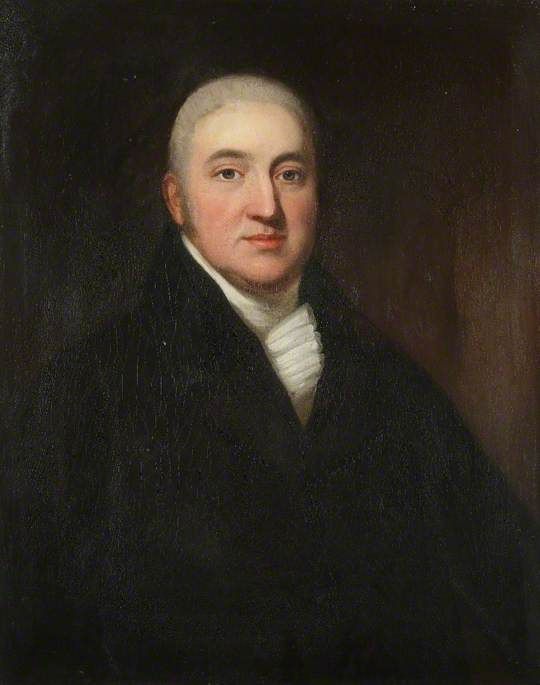
Joseph Flight followed with steadier management after John's early death, but Martin Barr changed the structure of the business when he joined in 1792. Barr tightened administration and improved production discipline. His sons later entered the partnership, and their presence gave the factory the sequence of names now familiar to collectors. The business changed names because the business itself changed shape.
Names, Marks, and Working Chronology
Collectors can use the changing partnership names to establish a practical chronology. Marks reading Flight usually belong to the period from 1783 to about 1792. Flight & Barr follows from roughly 1792 to 1804. Barr, Flight & Barr appears from 1804 to 1813, and Flight, Barr & Barr belongs to the period from 1813 until the 1840 merger with Chamberlain. Those names matter because they help date the object, but they also reflect real changes in ownership and ambition.
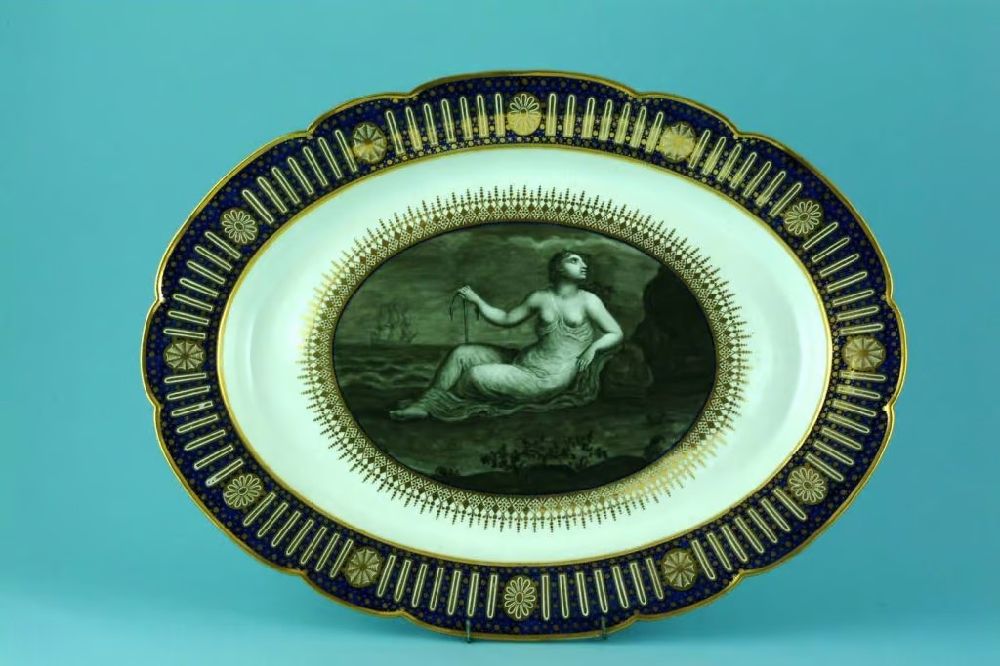
The marks themselves vary. Some pieces carry impressed letters, while others use printed names, crowned devices, or language that advertises royal favor. Yet marks never settle the matter alone. A richly gilded cabinet plate with fine landscape painting announces a later and more ambitious phase even before the backstamp confirms it. By contrast, a simpler tea bowl may carry a useful mark but still lack the visual force that collectors associate with the factory's strongest work.

Royal Patronage and the Pursuit of Prestige
The firm won royal patronage early and used it intelligently. King George III and Queen Charlotte visited the factory in 1788, and the Royal Warrant followed in 1789. That recognition gave Worcester more than a decorative flourish. It gave the factory a public claim to distinction. Worcester no longer sold simply as English porcelain. It sold as porcelain approved at the highest level.
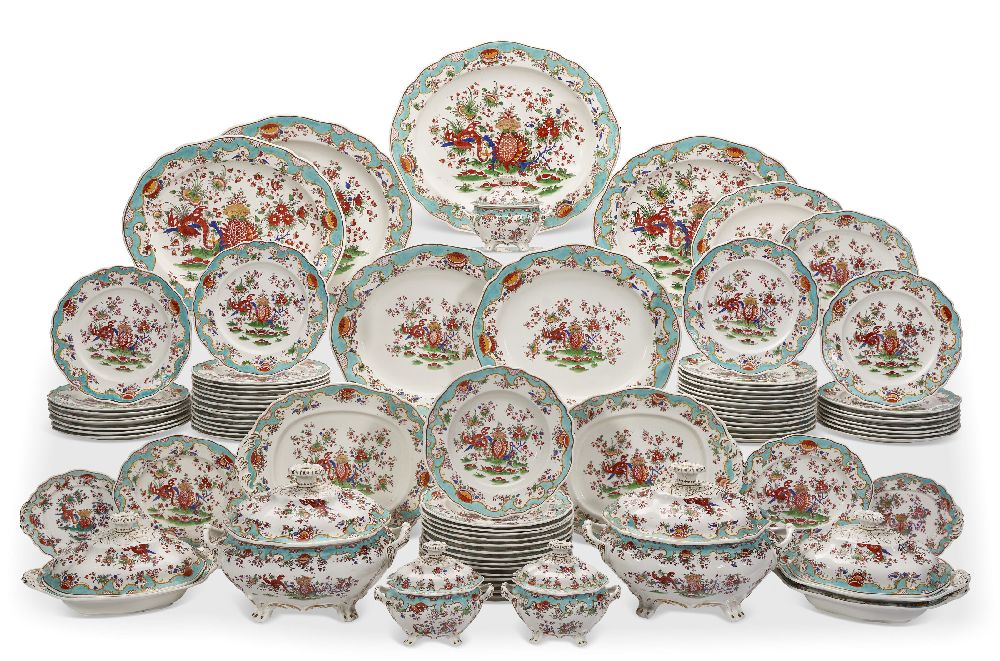
The Hope Service demonstrates what that patronage made possible. Produced for the Duke of Clarence, later William IV, the service required scale, planning, and decorative confidence. Worcester displayed it before delivery, turning the commission into a public declaration of capability. That strategy mattered because the factory had to convince elite buyers that Worcester could rival better-known names.
Where the Firm Worked and Sold
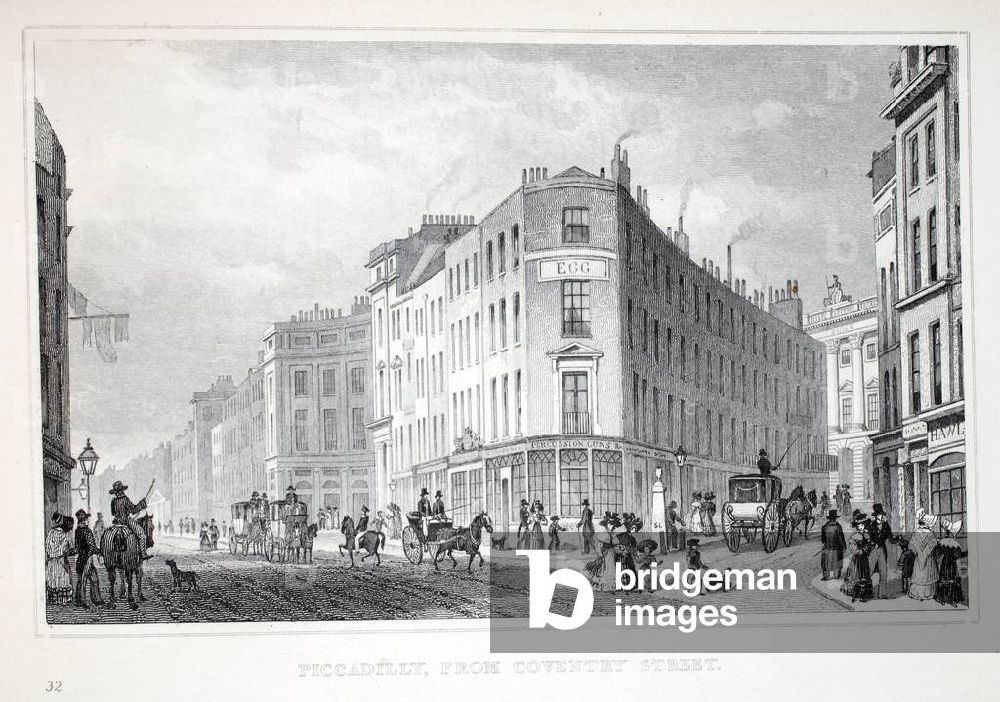
The factory operated from Warmstry House in Worcester, where access to the River Severn simplified transport. The firm did not rely on Worcester alone, however. It established a London warehouse in Coventry Street near Piccadilly, placing its wares within the city's most influential retail district. That choice reveals how clearly the Flights understood the market. Worcester could manufacture in the provinces, but it needed London to secure status.
Competitors and Standing Among English Porcelain Makers
Flight, Barr & Barr worked in a crowded field. Derby posed a serious national challenge, especially in figures and strongly decorative wares. Chamberlain Worcester stood even closer as a local rival and later became the factory's merger partner in 1840. Earlier Caughley had already pressed Worcester on price and quality in the late eighteenth century. Beyond England, Sèvres and Limoges set the aspirational standard for form and finish.
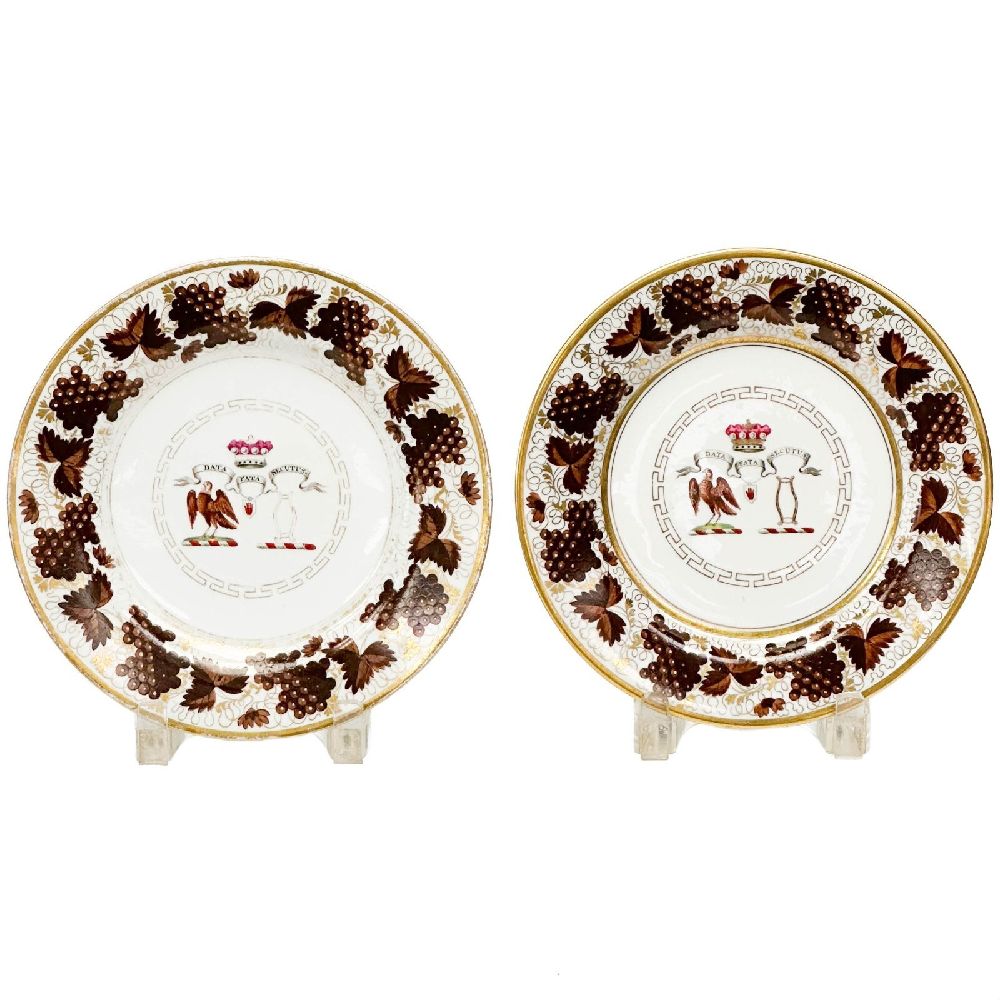
Where, then, does Flight, Barr & Barr rank? It does not command the automatic glamour of Chelsea, and it often lacks Derby's immediate name recognition among casual buyers. Yet the best Flight, Barr & Barr pieces can stand beside either. A major service, an armorial dessert plate with strong gilding, or a finely painted landscape reserve piece shows technical and artistic control at a very high level. The factory belongs in the upper tier of English porcelain, even if the market sometimes prices it below its real importance.
What Makes the Best Flight, Barr & Barr Distinctive
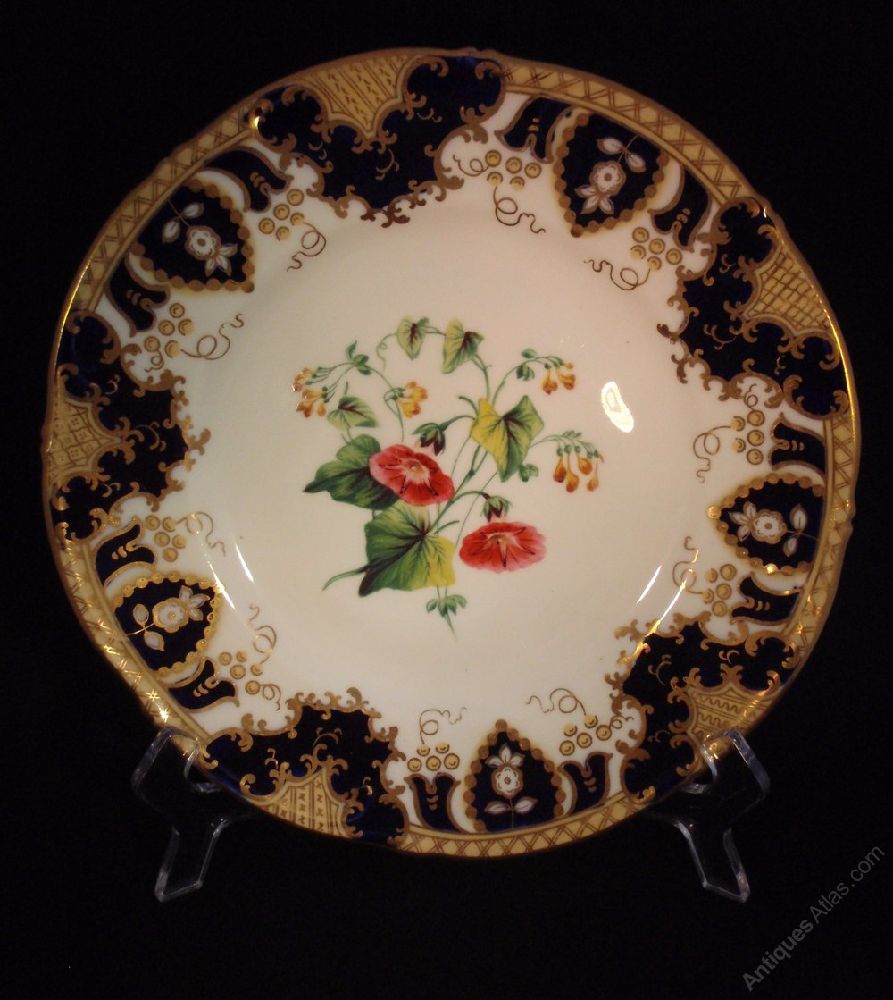
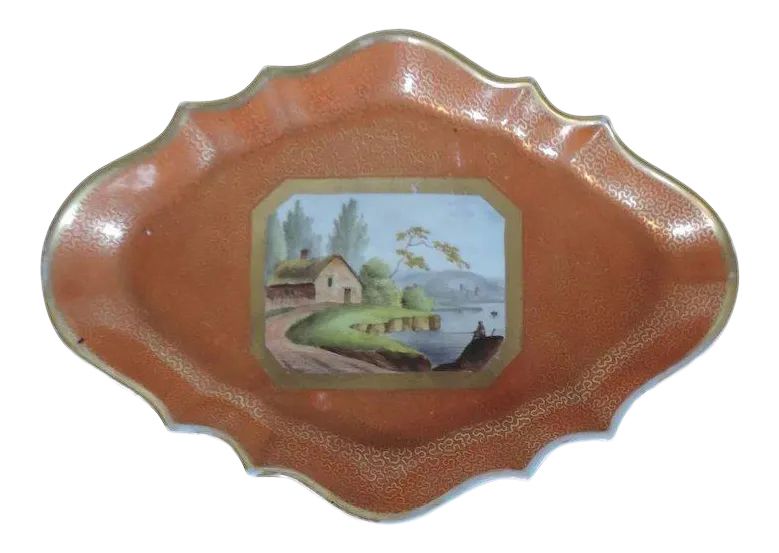
The firm improved its porcelain body so it could support more ambitious work. Stronger bodies made large services and heavier gilding more practical. That technical gain mattered because it allowed the factory to produce luxury wares with greater confidence and consistency. Collectors can see the difference in pieces that combine stable glaze, crisp reserves, and dense gilding without looking clumsy.
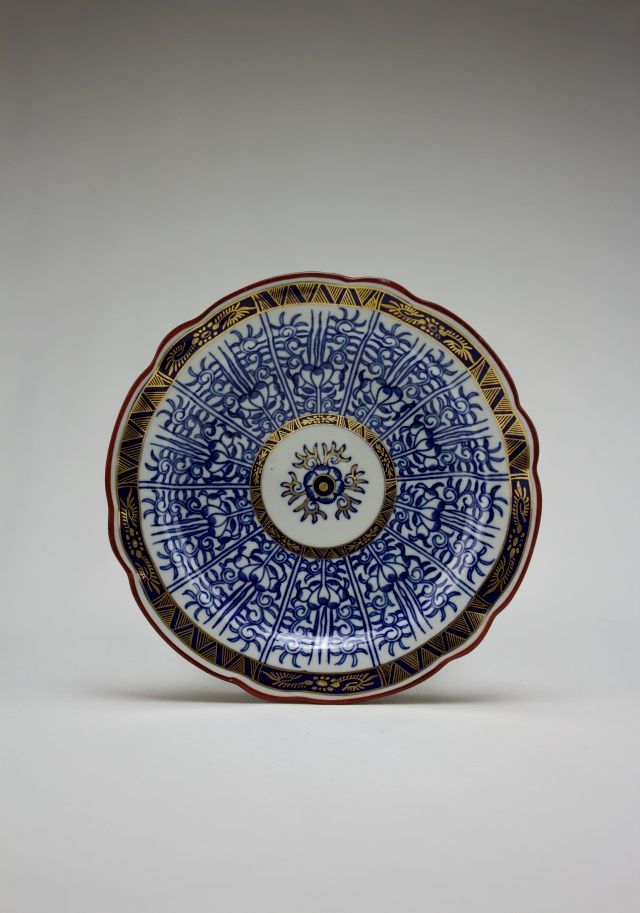
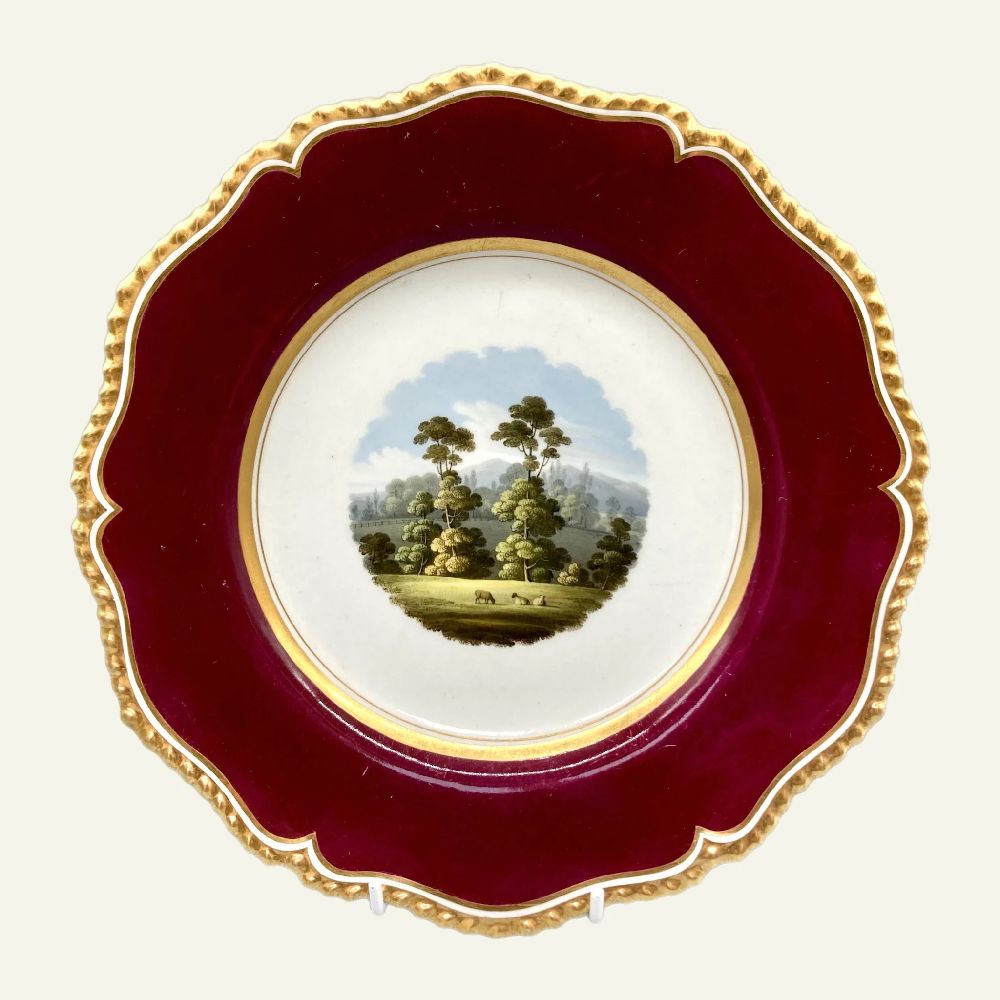
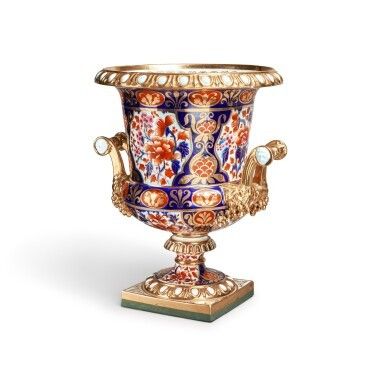
The decoration confirms the point. John Pennington's landscapes gave many Worcester pieces a painterly seriousness that pushes them beyond routine table porcelain. Charlotte Hampton's contribution to gilding helped create the bright, rich finish collectors still prize. The factory also absorbed French influence without merely copying it. Royal Lily pattern pieces, for example, show restraint and ornament working together rather than fighting one another.
Important People Beyond the Partnership Names
A factory does not reach distinction through owners alone. John Pennington shaped Worcester's visual identity through landscape painting. Thomas Baxter trained decorators and helped preserve standards. Charlotte Hampton strengthened the gilding department. William Billingsley adds a different kind of interest. His movement through the Worcester orbit and later association with Nantgarw suggest how technical knowledge circulated among competing factories. That movement reminds us that English porcelain remained a fiercely competitive industry built on guarded formulas, firing knowledge, and individual skill.
Provenance, Ownership, and Why Some Pieces Matter More
Collectors place a premium on pieces they can connect to identifiable patrons. Armorial services provide the clearest example. A plate with a recognizable crest ties the object to a family and often to a specific commission. That link adds more than decoration. It adds narrative, social context, and confidence in the object's place within the firm's history.
The market also rewards visible excellence. A richly gilded armorial plate or a named service component will usually outrank a simpler cup and saucer from the same period. Condition sharpens that difference. Strong color, crisp gilding, and limited wear support value, while restoration, rubbing, and staining weaken it. The point is not mysterious. Buyers pay more when they can see quality and verify importance.
A More Distinctive Source: The John Flight Diary
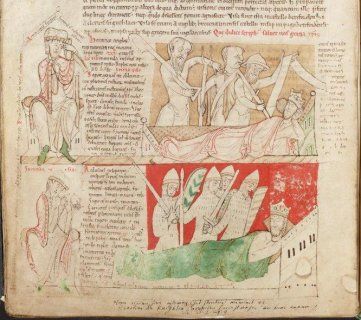
Many short summaries of Worcester repeat the same general facts, but the John Flight diary gives the subject more depth. Covering the years 1785 to 1791, it offers direct evidence of how the business thought, planned, and presented itself. That diary matters because it captures the factory from within rather than through later retelling. It helps explain how intentionally Worcester pursued improvement and prestige.
Decline, Merger, and Collector Value
The factory lost ground in the 1830s as taste shifted and competition intensified. Buyers increasingly favored more elaborate neo-Rococo modes, while Worcester still carried much of its earlier classical discipline. The merger with Chamberlain in 1840 ended the independent Flight, Barr & Barr identity, but it did not erase the achievement of the period.
In today's market, that achievement still creates opportunity. Major services, armorial wares, and finely painted cabinet pieces can command strong prices, yet the broader category often remains more accessible than Chelsea or Sèvres. That gap between historical importance and market pricing gives informed collectors room to buy quality without paying the full premium attached to more fashionable names.
Comparative Table
| Factory | Primary Strength | Example That Proves the Point | General Market Position |
|---|---|---|---|
| Flight, Barr & Barr | Royal patronage, refined services, strong gilding, serious Worcester identity | Hope Service; armorial dessert wares; Pennington landscape pieces | Upper tier, often undervalued relative to historical importance |
| Derby | Figures, strong modeling, immediate decorative appeal | Large figural groups and highly colored cabinet figures | Broadly recognized and actively collected |
| Chamberlain Worcester | Ambitious local production with strong service wares | High-finish Worcester services and richly decorated dessert pieces | Moderate to strong, depending on form and decoration |
| Chelsea | Prestige, rarity, and early artistic glamour | Important early figures and botanical wares | Top tier in English porcelain collecting |
Conclusion
Flight, Barr & Barr represents Worcester at its most deliberate and ambitious. The factory did not drift into distinction. It pursued it through stronger ownership, better positioning, royal favor, technical improvement, and visible luxury. That is why the best pieces still matter. They preserve the moment when Worcester decided not merely to participate in the English porcelain trade, but to compete near the top of it.