Filter by price
Filter by attributes
- Ewer
- Loetz
- Vase
Filter by manufacturer
Recently viewed products

Decorative Arts
Decorative Arts
Welcome to our Decorative Arts collection, centered on objects created for visual presence, exceptional craftsmanship, and the enhancement of interior spaces. This intentionally eclectic category features a diverse range of forms and media, including fine ceramics, bronze desk objects, art glass, carved wooden figures, cloisonné vessels, and sculptural lighting.
Our inventory spans multiple eras and styles—ranging from investment-quality European porcelain and studio-crafted glass to unusual mid-century and vernacular decorative material selected for its strong aesthetic impact. Read our full guide to collecting Decorative Arts here.
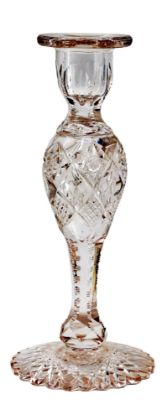
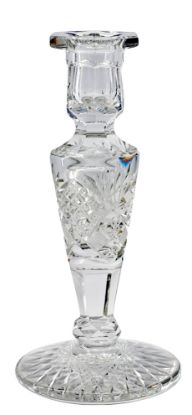
American Brilliant Cut Glass Candlestick
American Brilliant Cut Glass candlestick with mushroom tear drop
$1,450.00
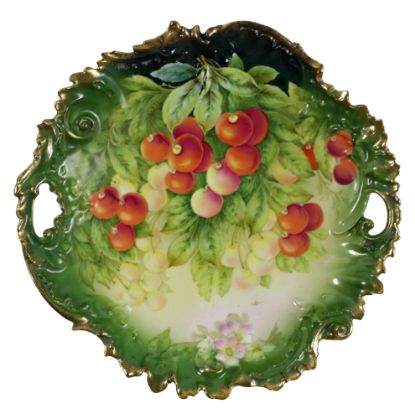
Antique Bavaria Tirschenreuth Floral Charger
Antique Bavaria Tirschenreuth floral charger - artist signed, Art Nouveau
$450.00
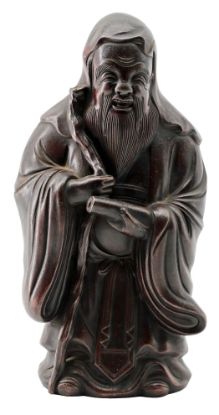
Antique Japanese Bizen Ware Figure of Fukurokuju
Antique Japanese Bizen ware figure of Fukurokuju - Meiji or Taisho era
$875.00
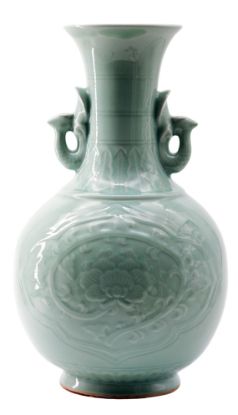
Vintage Chinese Carved Celadon Bottle Vase
Vintage Chinese carved celadon bottle base - China Longquan
$950.00
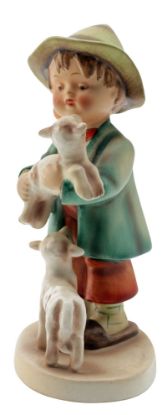
Hummel Shepherd's Boy Figurine 64 (Goebel) – Boy With Lambs
Early Goebel Hummel figurine depicting a shepherd boy with lambs. Model 64 with TMK-2 Full Bee mark, typically dated circa 1950-1955.
$275.00
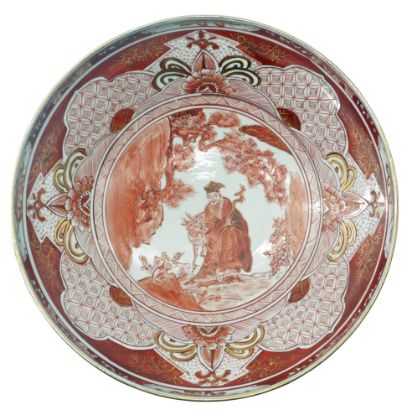
Antique Japanese Arita Rouge de Fer Bowl
Antique Japanese Arita rouge de fer bowl - Jurojin with deer
$985.00
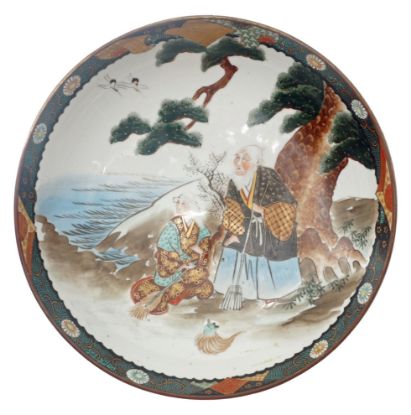
Antique Japanese Porcelain Kutani Console Bowl
Antique Japanese porcelain Kutani console bowl - Meiji period, couple at beachside.
$1,250.00
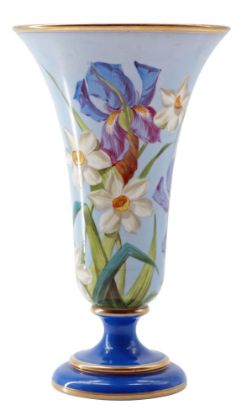
Antique Bristol Glass Trumpet Vase
Antique Bristol glass trumpet vase with daffodils and irises
$1,225.00
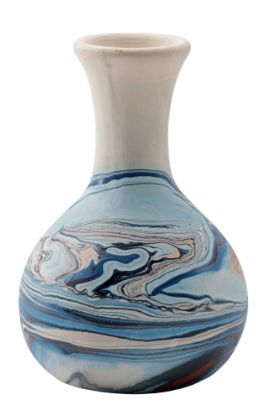
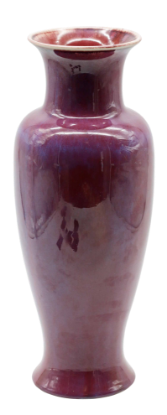
Vintage Chinese Flambe Baluster Vase
Vintage Chinese Flambe Baluster - delicious plumb glazing
$325.00
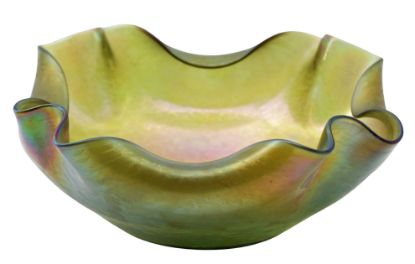
Antique Loetz Crete Papillon Iridescent Glass Bowl
An iridescent Loetz Crete Papillon bowl, attributed to early 20th century Bohemian production. The surface displays the distinctive oil-spot papillon effect, a hallmark of Loetz decor work, with dynamic color shifts and strong visual depth.
$925.00
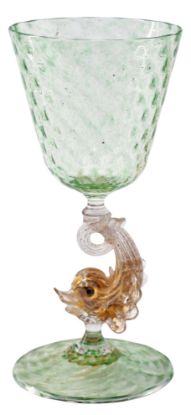
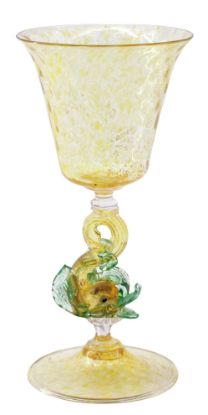
Vintage Murano Glass Goblet
Vintage Murano glass goblet - with dolphin stem and aventurine of yellow ground
$450.00
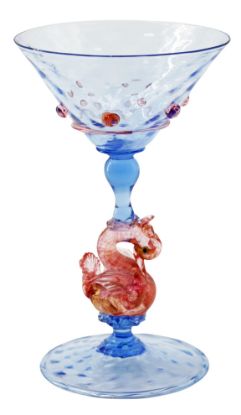
Vintage Murano Glass Goblet
Vintage Murano glass goblet - with swan stem and aventurine of blue ground
$450.00
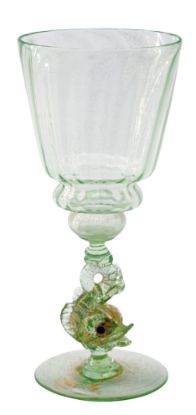
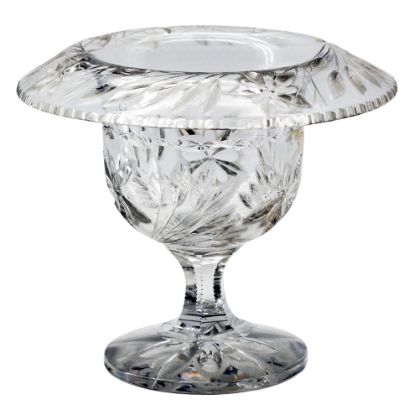
Antique American Brilliant Cut Glass Campana Vase
Antique American Brilliant Cut Glass campana vase - Art Nouveau with everted serrated rim
$3,500.00
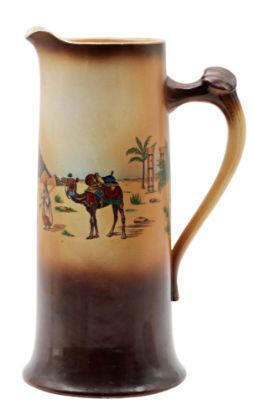
D.F. Haynes (American) - Egyptian Revival Figural Tankard
Figural tankard attributed to D.F. Haynes, featuring Egyptian Revival styling with sculptural human motifs and period-inspired decorative elements.
$650.00
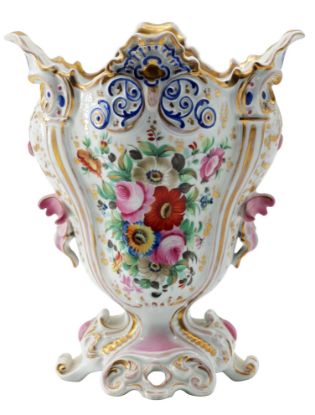
Antique Porcelain Vase Enameled with Floral Arrangments
Antique porcelain vase enameled with floral arrangements - Old Paris 19th C.
$400.00
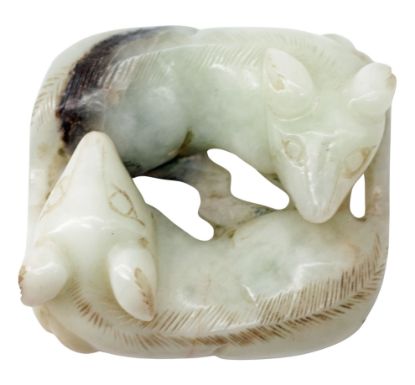
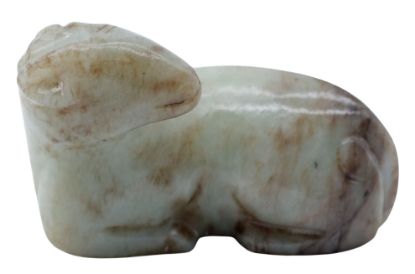
Antique Chinese Carved Jade Animal Group
Antique Chinese carved jade animal group - 18th C. Qing dynasty
$2,200.00